11.08.2023 я з сям'ёй наведаў музей народнай архітэктуры і побыту ў вёсцы Азярцо пад Мінскам. Гэта было цікавым пагружэннем у побыт мінулых стагоддзяў для нас усіх, і мы "завіслі" ў гэтай машыне часу на ўвесь дзень. Публікую мноства фотак, якія можна павялічыць.
On the 11 August 2023 me and my family visited Belarusian State Museum of Folk Architecture and Rural Lifestyle in the village of Azjarco (sometimes named as Ozertso) near the capital of Belarus. It was an interesting wayback machine for us all to bygone centuries, so we got stuck there for the whole day. I publish here lots of photos which can be enlarged.
Прыпынак "Паварот на музей". Праезд аўтобусамі 150, 177э і маршруткамі. / Bus stop Turn to Museum for buses 150, 177e and shuttle buses.
Потым ля 10 хвілін пешшу да ўваходу ў музей пад адкрытым небам. / Then about 10 min walk to the open-space museum entrance
Карта музея / The museum map
Купляем білеты ў касе, дзе таксама прадаюць сувеніры... / You buy tickets here in the cash desk combined with a souvenir shop...
За касай можна наведаць вось такі туалет / Behind the cask desk one can find this WC
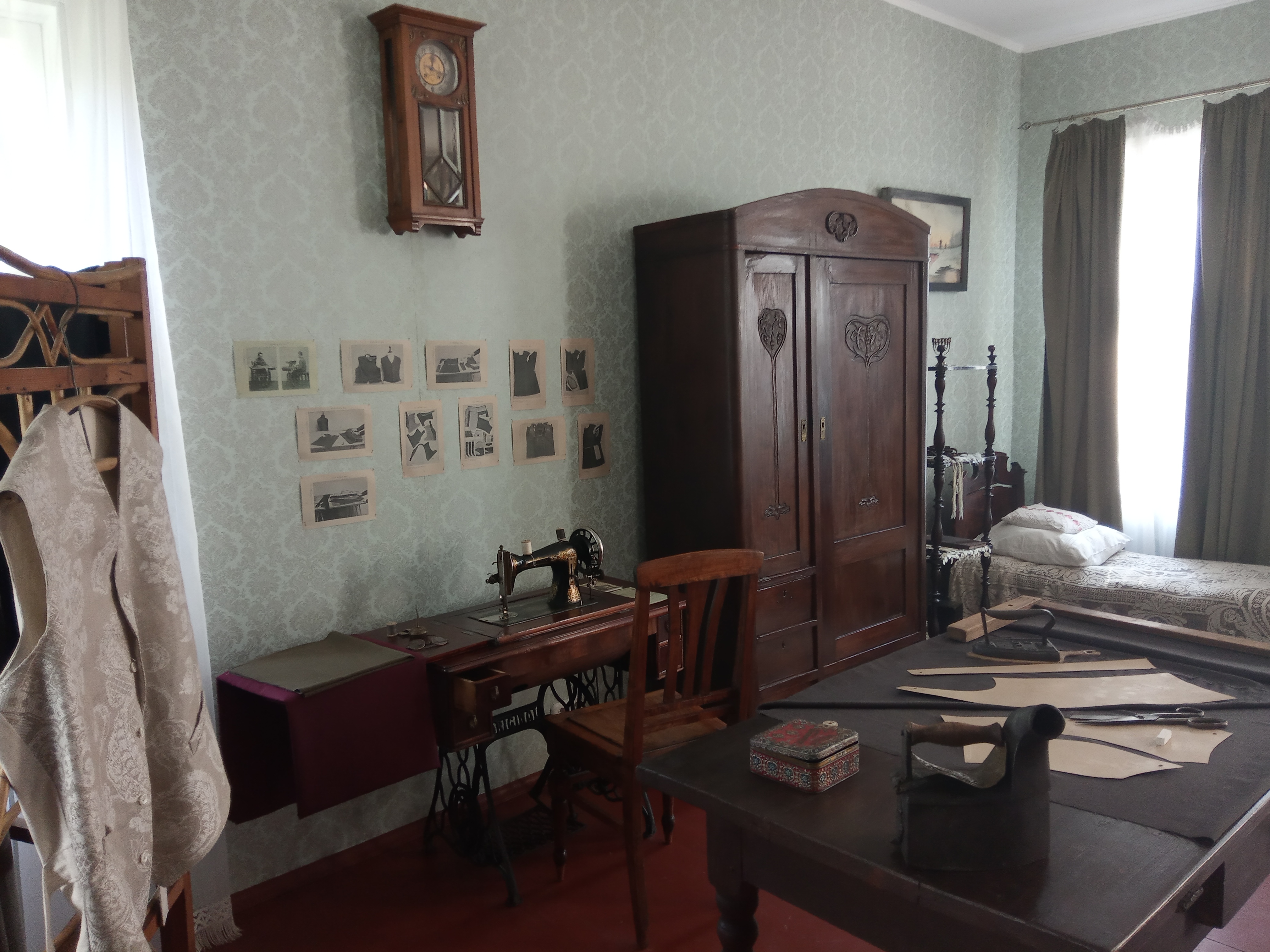
І пачаць агляд з такога кравецкага дома, вывезенага з Мінска / And start your exploration from this tailor's house relocated from Minsk
Прама на тэрыторыі музея працуе ангар Avia-Mensk.by, дзе наведвальнікі могуць палятаць на невялікім самалёце па-над тэрыторыяй музея. У дзень нашага візіту ангар не працаваў / Right at the museum area there's the hangar of Avia-Mensk.by where the visitors can fly on a small plane above the museum area. On our visit day it was closed.
Стары каталіцкі касцёл... / An old Roman Catholic Church
Млын ХІХ ст з вёскі Даматканавічы з-пад Клёцка / A 19-century mill from a village near the city of Kletsk in the Minsk Region
Паміж рознымі элементамі музея даволі вялікая адлегласць / There's much space between different elements of the museum
У цэнтральнай частцы музея знаходзіцца такая крытая сцэна для правядзення канцэртаў і іншых забаўляльных мерапрыемстваў. Музеі - гэта не заўжды там, дзе ціха. / In the museum central part there's this stage for concerts and other festive events, so a museum isn't allways a quiet place.
Гумно 1927 г. з-пад Случчыны / 1927 threshing floor from a village near Slutsk in the south of Belarus
Грамадскае гумно сярэдзіны ХІХ ст. з в. Касарычы Глускага раёна Магілёўшчыны / A community barn from a village near Glusk in the east of Belarus
Унутры і звонку школы в. Калодчына з-пад Вілейкі канца ХІХ - пачатку ХХ ст. / Inside and outside a village school from near Vileyka in the north of Belarus that operated at the end of the 19th century and the beginning of the 20th century.
Уніяцкая царква в. Логнавічы з-пад Клёцка канца XVIII ст. / A village Greek Catholic church built at the end of the 18th century near Kletsk in the Minsk Region.
Хата мяжы ХІХ-ХХ ст. з в. Ісерна пад Слуцкам / A house of the 19-20-centuries' rim from a village near Slutsk in the south of Belarus
Унутры яшчэ аднаго вясковага дома з цэнтральнай Беларусі / Inside another village house from the central part of Belarus
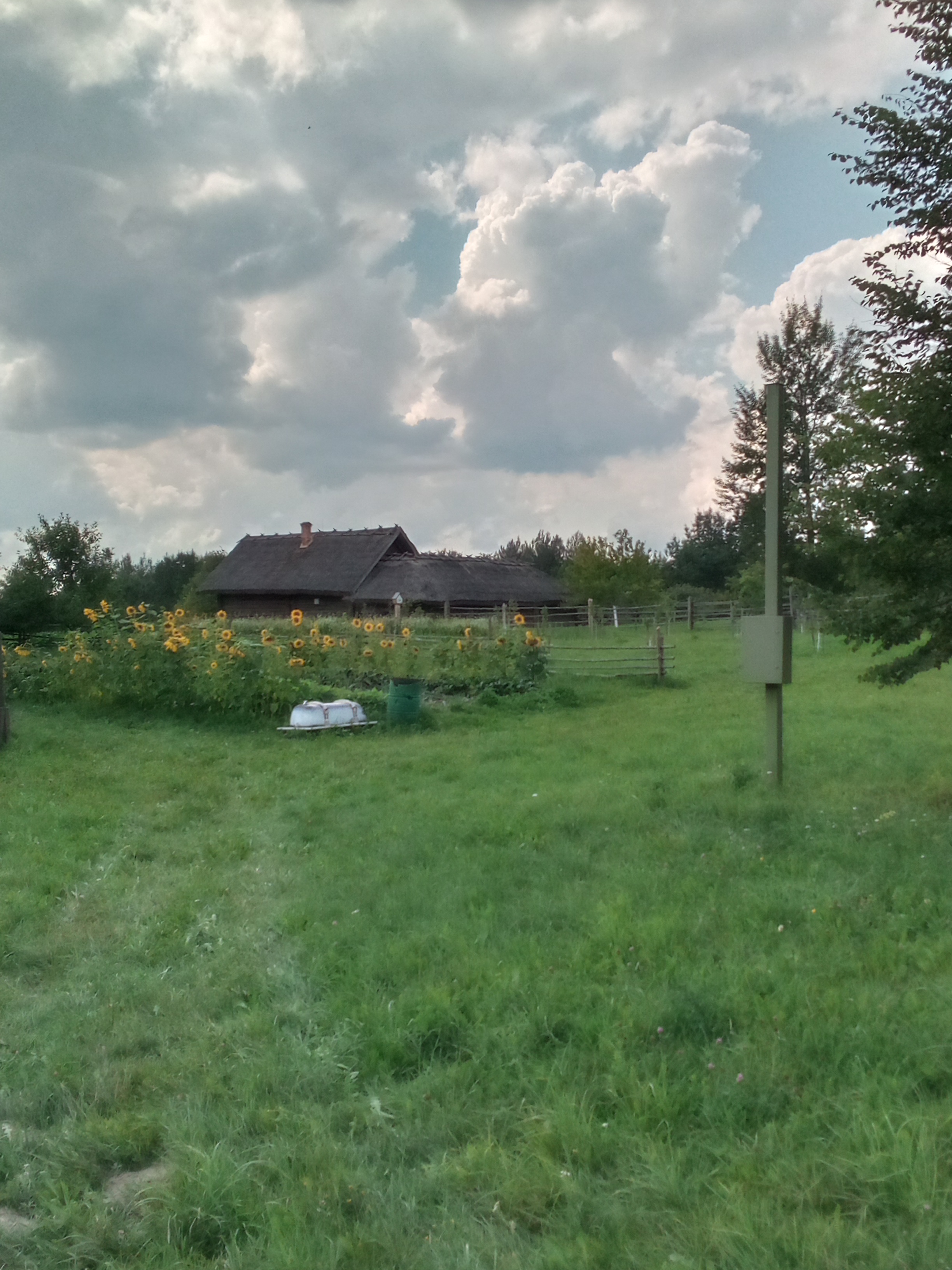
Гаспадарчая частка сзаду гэтых 2-х вясковых дамоў / Household utilities at the rear of these 2 vilage houses
Для абароны маланак дамы абсталяваны маланкаадводамі, а салома на стрэхах прапітана неўзгаральнымі рэчывамі / To protect from lightning rods are installed on the houses and the straw of the roofs has been soaked in something noncombustible
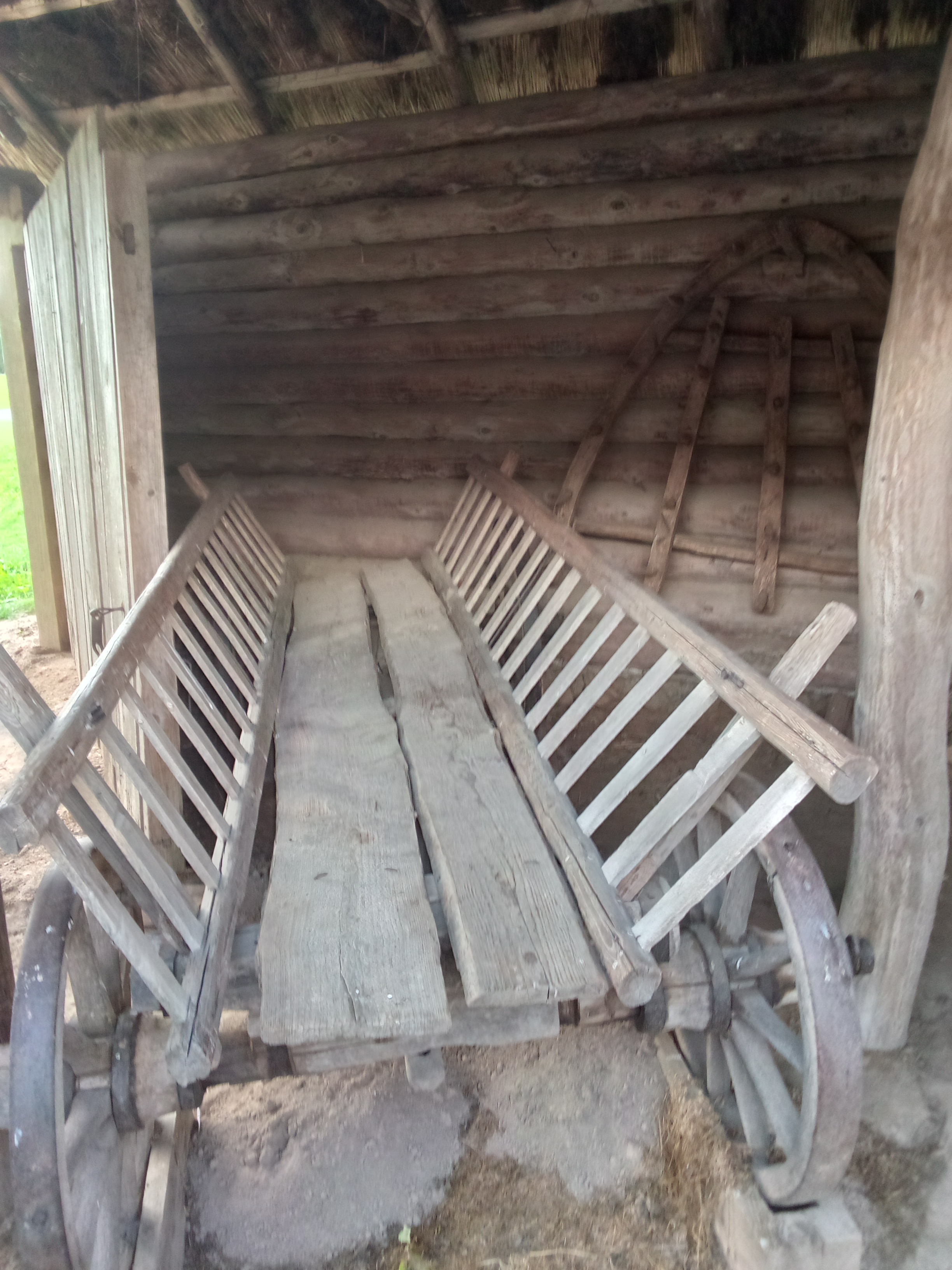
Яшчэ больш вясковых гаспадарчых прыладаў... / Some more of rural domestic utilities...
Прылады для апрацоўкі ільну, сабраныя ў асобным будынку. / Different utensils for manual flax processing that were put together in one building.
Некаторыя часткі музея былі агароджаны такім плотам пад старыну / Some of the museum areas were partitioned with such old-style fences
Паколькі тэрыторыя музея вялікая, на дарогах стаяць такія указальнікі на беларускай і англійскай мовах. / As the museum area is vast the roads are equipped with such arrows showing the way in Belarusian and English.
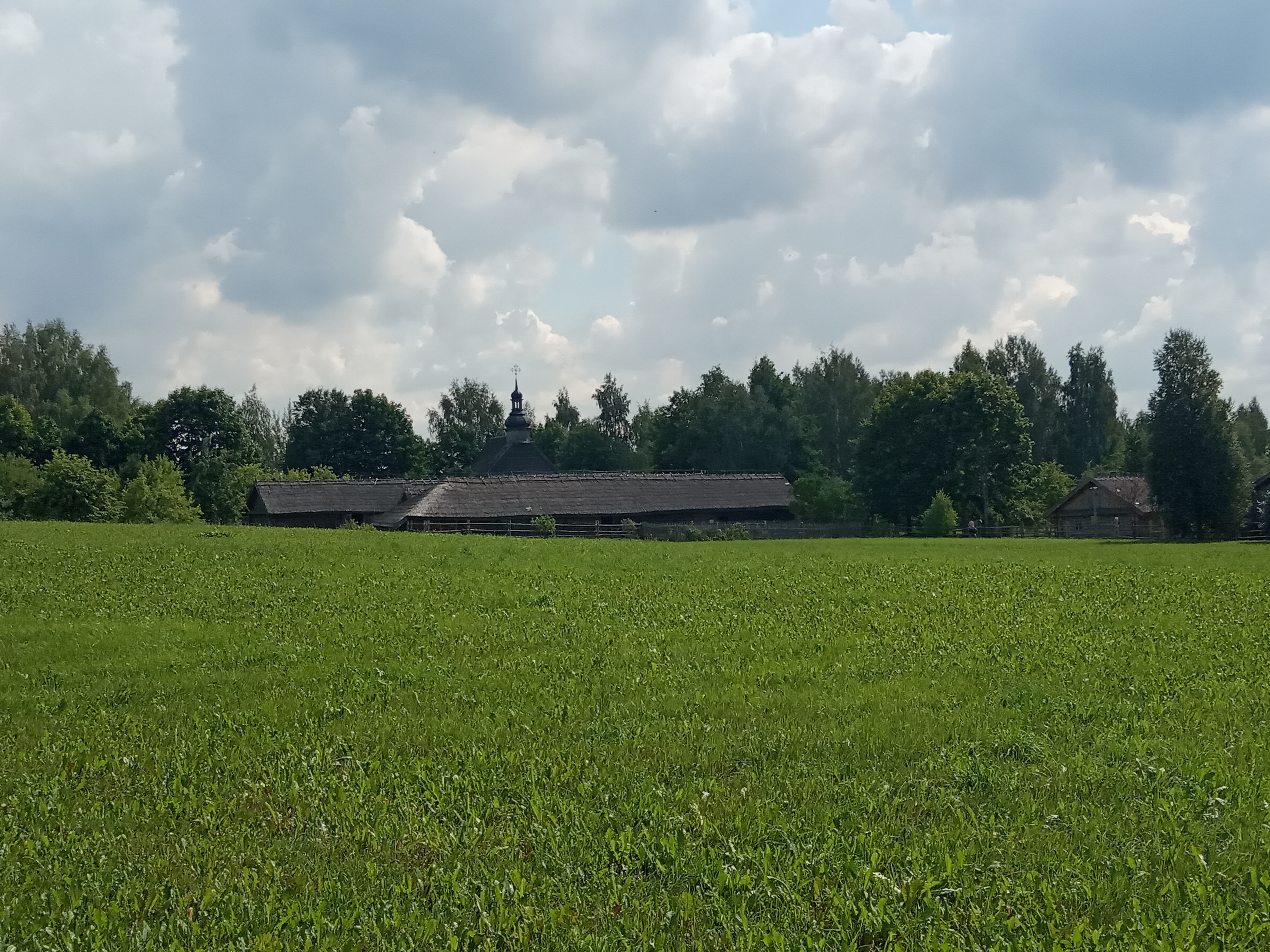
Палянка для адпачынку, дзе можна пасядзець за сталом ці на лаўках, пагушкацца на драўляных арэлях. На даляглядзе бачны млын, да якога мы яшчэ падыйдзем. / A small glade in the museum where you can sit on a bench or at the table or ride wooden swings. There's a mill on the background we were going to see closer soon.
Гэта быў млын пачатку ХХ ст з в. Зелянец Хацімскага раёну Магілёўшчыны, які тэхнічна адрозніваецца ад млыну ў пачатку гэтага паста / It was a mill made at the beginning of the 20th century in the east part of Belarus; it's technically different from the one mentioned at the beginning of this post.
Млын ахоўваецца ад вандалаў і злодзеяў з дапамогай камеры / The mill is protected from vandals and criminals with a camera.
Ад млына дарога вядзе да групы дамоў вяночнага тыпу (г. зн. з дваром унутры) / The road from the mill leads to a group of wreath-type houses (i.e. having the yard surrounded by buildings)
Вяночны дом 1919 г. з-пад Чавусаў на Магілёўшчыне / A wreath-type house from the east of Belarus built in 1919
Вяночны двор пач. ХХ ст з-пад Віцебшчыны / Another wreath-type yard from the north of Belarus
Праваслаўная царква 1704 г з-пад Воршы / An Orthodox church built in the north of Belarus in 1704
Унутры гэта не столькі царква колькі музейная зала, бо акрамя уласна царкоўных рэчаў там знаходзіцца выстава украінска-беларускіх традыцыйных вышыванак у правым крыле... / Inside it more like a museum hall than a church as not only church utensils can be found there, but also the exposition of traditional Belarusian and Ukrainian textile embroidery in its right wing...


... і ганчарных вырабаў у левым крыле. Музей быў арганізаваны ў 80-я, калі савецкая ўлада не вельмі дбала пра пачуцці вернікаў, таму камбінацыя царквы з музейнай залай не была чымсьці дзіўным. Наколькі я ведаю, у цэрквах на тэрыторыі музея не праводзяцца набажэнствы, як не выкарыстоўваюцца па прызначэнні музейныя млыны і жылыя хаты. / ... and pottery in its left wing. The museum was established in the 1980s when USSR authorities didn't care about believers' feelings, so combining a church with a museum hall wasn't weird then. As far as I know no services are held in any of the museum church like the museum mills and houses aren't used anymore for their original purposes.
Асноўныя дарогі паміж рознымі часткамі музея выглядаюць так / This is the way the main roads between different parts of the museum look like.
У гэтай невялікай хатцы паміж лесапаласой і групай вяночных дамоў знаходзіцца ахова, якая маніторыць бяспеку тэрыторыі з дапамогай камер. / This small house between a forest strip and the group of wreath-type houses the is the office of the museum securirty monitoring the safety of the area with cameras.
Некалькі крэатыўных лавак і знак аб тым што алея побач з імі пасаджана ў гонар 65-годдзя вызвалення Беларусі ад нямецка-фашысцкіх захопнікаў / Some creative benches and a sign saying the wayside trees were planted in the memory of the 65th anniversary of the liberation of Belarus from German invaders in WWII.
А гэта ўжо тая частка музея, якая пакуль не адкрыта поўнасцю, але даступна да частковага прагляду / And this is a part of the museum that is not completely ready, but can be viewed in part.
Яшчэ адзін млын пачатку ХХ ст з-пад Мядзеля, які спалучае ў сябе канструктыўныя элементы першых двух млынаў з гэтага паста. / One more mill of the beginning of the 20th century from the central part of Belarus combining the technical elements of both the mills mentioned in this post earlier.
Пуня з Віцебшчыны пач. ХХ ст. / A 20-century shed from the north of Belarus.
Група дамоў з нізкімі дахамі, зачыненых да доступу. Знак на даху забараняе цягаць з яго салому. / A group of houses with low roofs, locked and unavailable for entering. The sign on the roof prohibits taking straws out of the roof.
Яшчэ адзін вяночны двор з-пад Докшыцаў на Віцебшчыне. Гаспадарчыя часткі двара можна было вывучаць у дэталях, але ў жылыя будынкі можна зазінуць толькі праз вокны і дзверы, бо зайсці ўнутр было нельга. / Another wreath-type yard from the north of Belarus. It was no problem to examen everything, but the living houses, which could be viewed though open doors or through windows.
Частка тэрыторыі музея нічым не забудавана. / A part of the museum area has no constructions at all.
Яшчэ крыху былых рэлігійных збудаванняў. На апошніх 2-х здымках -- царква і званіца канца XVIII ст. з-пад Глыбокага / Some more of former religious buildings. The 2 photos above show a church combined with a bell tower from the north of Belarus built by the end of the 18th century.
І яшчэ адзін закуток, дзе рыхтуюць новыя музейныя экспанаты. / One more spot of the museum where new exhibits are being prepared.


Яшчэ адно месца, вартае наведвання -- мясцовая карчма, якая адначасова з'яўляецца і музейным экспанатам, і працуючым аб'ектам. Цэны там хутчэй бліжэй да рэстаранных, чым да звычайнага кафэ, але музей наведваюць турысты з розных краін свету (мы бачылі сям'ю расіян) і гэта можа быць апраўданым. Таксама каля карчмы ёсць 2 біятуалеты, гэта яшчэ адно, акрамя ўваходу ў музей, месца, дзе можна легальна аблегчыцца на гэтай тэрыторыі. У карчме гатуюць пераважна стравы нацыянальнай кухні і грае фальклорная музыка, каб стварыць адчуванне пагружэння ў мінулае. Часам там праводзяць вяселлі ў нацыянальным стылі. Сям'я за адным сталом з намі менавіта там адзначыла вяселле некалькі год таму. Побач з карчмой ёсць пляцоўка для дзіцячых гульняў і столікі летняга кафэ пры карчме. / One more place to visit is the local tavern that's a museum exhibit combined with an operating restaurant. The prices are more like an average restaurant than a cafe, but it's reasonable as international tourists visit the museum (we actually saw a Russian family). There're also 2 biotiolets by the tavern which make the other legal place to ease one's nature apart from the museum entrance. They cook mostly national Belarusian dishes and play folk music to make the impression of getting back to the bygone years. Sometimes national-style wedding celebrations are held in the tavern, we learnt this from a family sitting next to us that had had their own there some years before. Also a child playground and some summer cafe tables are there outside the tavern.
***
Яшчэ ў гэтым музеі ёсць пляцоўка, дзе можна пабачыць свойскіх жывёлаў і птушак, што вельмі спадабалася маім сынам / Also, there's a spot in the museum where one can see some domestic animals and birds, which was great for my sons.
Для маёй жонкі многае напомніла вясковае мінулае яе ўласнай бабулі і яе дзяцінства ў гэтай бабулі. Я бываў у той бабулі некалькі разоў і таксама бачыў гэту сувязь з мінулым. / For my wife many things reminded her grandmother's past and her own childhood at the granny's place. I used to be at that granny's a few times, so I could see this link to the past too.
Сярод беларускіх гараджан нямногія размаўляюць па-беларуску ў паўсядзённым жыцці, але ў музеі ў было некалькі размоў з беларускамоўнымі мінчанамі. / Not many city dwellers in Belarus speak Belarusian in everyday life, yet we had several conversations with people from Minsk that do speak Belarusian.
Увогуле гэта было добрае пагружэнне ў мінулае і цікавая вандроўка, нягледзячы на некаторыя вышэй пазначаныя мінусы і праліўны дождж, пад якім мы вярталіся да аўтобуснага прыпынку на Мінск. / All in all it was a great plunge in to the past and an interesting trip despite some cons described above and the shower we had all our way back to the bus stop to return to Minsk. :)
Дадаткова / Extra: